Posts filed under ‘sexual harassment’
Are You Harassed for What You Wear?

The phenomenon of using someone’s clothing choices as a sexual tool against them often stems from deeper societal issues. In a world of constant self-expression, clothing has become more than just a way to cover our bodies. It’s a language, a statement, and a reflection of who we are. From the colors we choose to the brands we favor, every piece we wear speaks volumes about our personality, values, and even our aspirations.
The Power of Perception: Clothing acts as a visual language, conveying messages about our identity before we even utter a word. Think about it: a tailored suit exudes professionalism and authority, while a bohemian dress suggests a free spirit. Our clothing choices shape the perceptions others have of us and can influence how we are treated and respected in various contexts.
Cultural Significance: Clothing holds significant cultural meaning, serving as a link to our heritage, traditions, and community. Traditional garments, such as kimonos, saris, or kente cloth, not only celebrate cultural diversity but also serve as symbols of pride and belonging. By wearing attire rooted in our culture, we honor our ancestry and connect with our roots.
The Psychology of Dressing: Psychology plays a crucial role in our clothing choices, as what we wear can affect our mood, confidence, and behavior. Dressing in attire that makes us feel comfortable and confident can boost self-esteem and enhance our performance in various aspects of life. The phenomenon known as “enclothed cognition” suggests that our clothing choices can influence our cognitive processes and behaviors, shaping how we think and act.
Fashion as Empowerment: Fashion has the power to empower individuals and communities, serving as a tool for social change and activism. Through movements like sustainable fashion, body positivity, and gender-neutral clothing, people are challenging traditional norms and advocating for inclusivity, diversity, and environmental responsibility. By aligning our fashion choices with our values, we can contribute to a more equitable and sustainable future.
The phenomenon of using someone’s clothing choices as a sexual tool against them often stems from deeper societal issues related to objectification, gender stereotypes, and power dynamics.
Objectification: When individuals are reduced to objects of sexual desire rather than seen as whole human beings, their clothing choices may be interpreted solely through a sexual lens. This objectification can lead to the perception that certain clothing styles or outfits are invitations for sexual advances or judgments about one’s character based on their attire.
Gender Stereotypes: Traditional gender roles and stereotypes dictate that women should dress in a certain way to be considered attractive or desirable. When individuals deviate from these norms, they may face scrutiny or judgment regarding their sexuality. For example, women who dress in revealing clothing may be labeled as promiscuous or “asking for” unwanted sexual attention, while men may be judged for expressing their sexuality through their clothing in ways that challenge traditional masculinity.
Power Dynamics: In some cases, using clothing as a sexual tool against someone can be a manifestation of power dynamics, where the perpetrator seeks to assert dominance or control over the victim. This can occur in instances of sexual harassment or assault, where perpetrators may use clothing choices as a justification or excuse for their behavior, shifting blame onto the victim rather than taking responsibility for their actions.
Cultural and Social Norms: Cultural and social norms also play a role in shaping perceptions of clothing and sexuality. In some cultures, certain clothing styles may be more heavily associated with sexuality or modesty, leading to different interpretations of what constitutes “appropriate” attire. These norms can influence how individuals are judged based on their clothing choices and may contribute to the sexualization of certain garments or styles.
Overall, the sexualization of clothing choices is a complex issue rooted in societal attitudes, beliefs, and power dynamics. Challenging harmful stereotypes, promoting consent and respect, and advocating for gender equality are essential steps in addressing and preventing the use of clothing as a sexual tool against individuals.
In a world where first impressions matter, clothing serves as a powerful means of self-expression and communication. From cultural symbolism to psychological effects, our fashion choices influence how we perceive ourselves and how others perceive us. By embracing fashion as a form of empowerment and self-discovery, we can harness its transformative potential to express our authentic selves and shape a more inclusive and sustainable world.
After all, you are what you wear.
Want to learn more about how to get along with your family members? Contact me – Ms. Parent Guru to receive information about my inspiring parenting programs for Mothers and Daughters, Mothers and Sons, Fathers and Daughters or Fathers and Sons.
Click Here to become a part of my parenting community.
C. Lynn Williams, #MsParentguru
Parent Coach, Author & Speaker
Boys Will Be Boys…
I could never understand why the things that I got into trouble for, my brother didn’t get into trouble for. The way it was explained to me was: “you are not your brother”. Fast forward to a story that my husband used to tell me. He was the oldest of four, and two of those siblings were girls. His sisters did not understand why the discipline for him was different than the discipline for them. His dad simply told them “you are not a 16-year-old boy”. Now whether that’s right or wrong, that’s how our culture decides what’s appropriate for boys versus what’s appropriate for girls. It doesn’t always match up with what is right.
What’s even more unbalanced is how our society is inconsistent in its justice for black boys versus white boys. I taught males in high school. When I taught at a male-only high school, and noticed that the punishment for African-American or Hispanic students tended to be more severe than the punishment for Caucasian students. What was that about?
So growing up as a girl, I realized that boys’ behavior was more acceptable than girls, and as a young adult woman I found that white males received more leniency for punishment than males of color.
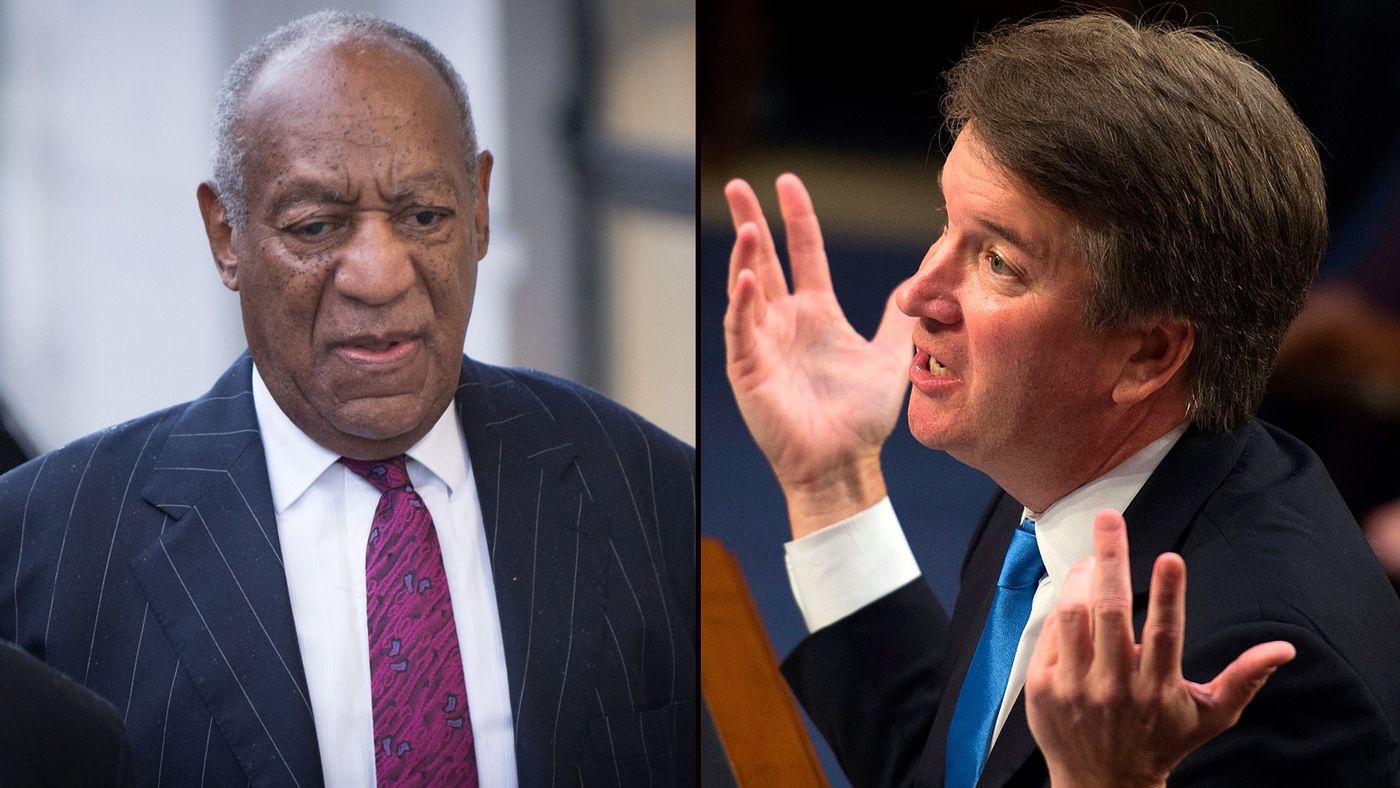
So now we have a U.S. Supreme Court candidate who has been accused of sexual harassment as a teenage boy. During one of the news reports yesterday, I heard a commentator or maybe it was a U.S. senator say “well you know boys will be boys.” That’s a travesty and shouldn’t be tolerated! A crime is a crime no matter who does it. If you sell dope, (I think we call them drugs today) then you’re guilty. Your punishment shouldn’t be any different because of your skin color or your gender. If Bill Cosby, who had a reputation of being America’s funniest TV dad, can be accused and convicted of sexual misconduct, then so can Judge Kavanaugh and President Trump.
I mean justice is blind right? Click Here to purchase a copy of The Pampered Prince: Moms Create a GREAT Relationship With Your Son.

C. Lynn Williams, #MsParentguru
Family Dynamics Strategist, Author & Speaker
Is Bill Cosby Our Sacred Cow?
reprinted from Black Woman Unleashed magazine 1/19/2015

When I was growing up, my mother said “Stay away from strangers.” What she didn’t tell me was to also be careful of people I knew. I know she was right about strangers because on a bus ride home one evening while in high school, a man exposed himself to me. I was horrified and told the bus driver. Why would someone do that? Mom could only say “He was sick.”
When my daughter started growing up, my words to her were “Don’t get into the car with anybody except me, your dad or your grandmother”. We kept her list very short. You could count the people on one hand.
Which brings me to the Bill Cosby controversy. Last year when I began hearing the reports that Dr. Cosby was accused of sexually assaulting multiple woman (more than 20 years ago), I decided he had either stopped paying off his blackmailer or someone was out to malign the gentle, friendly Dr. Huxtable. Who would want to do that to lovable Bill Cosby?
C. Lynn Williams, #MsParentguru
Author & Mentor
 Staying Sane While Raising Your Teens
Blogpost Comments