Posts filed under ‘adolescents’
💔 What Do You Do When Your Teen Breaks Your Trust?
Rebuilding trust with your teen requires time and intentionality. Address one issue at a time, stay calm, and listen without judgment. Consistency and reassurance are crucial, as trust is rebuilt through open conversations, not just rules. Remember, honest dialogue strengthens connections even amidst challenges. Parenting isn’t about perfection, but presence.
Continue Reading October 23, 2025 at 1:01 pm Leave a comment
Building a Healthy Relationship Between Moms and Daughters: Tips for Strengthening Your Bond

As a mom, creating and maintaining a strong, healthy relationship with your daughter is a journey filled with ups and downs, growth, and learning. A positive relationship is essential for both your emotional well-being and hers, offering her the security and guidance she needs to navigate the world. Here are some tips to help you foster a deeper connection with your daughter:
1. Open Communication is Key
A healthy relationship starts with open, honest communication. Make it a point to listen actively to your daughter’s thoughts and feelings, without judgment or interruption. Whether it’s about school, friendships, or emotions, let her know that she can always come to you with anything on her mind. This creates trust and an emotional safety net.
2. Respect Her Independence
As your daughter grows, she will start seeking more independence. While this might feel like a challenge, it’s an important part of her development. Encourage her to make her own choices and respect her boundaries. This helps her build confidence in her decisions while strengthening her sense of self.
3. Quality Time Together
It’s not always about how much time you spend together, but how meaningful it is. Whether it’s a weekly mother-daughter date, cooking together, or simply having a conversation before bed, make sure to cherish and prioritize moments where you can connect without distractions.
4. Be a Role Model
Your actions speak louder than words. Show your daughter what healthy relationships, both with yourself and others, look like. Model kindness, patience, and the importance of self-care. How you treat yourself and others will have a lasting impact on how she forms relationships in the future.
5. Encourage Emotional Expression
Encourage your daughter to express her feelings freely. Whether she’s happy, sad, frustrated, or excited, acknowledging and validating her emotions teaches her that it’s okay to feel and express them. Show her that emotions are not something to hide, but something to understand and manage in healthy ways.
6. Respect Each Other’s Space
While it’s important to be close, it’s also essential to respect each other’s need for space. Sometimes, your daughter may need time alone to recharge or reflect, and so might you. Understanding and respecting this space is essential for maintaining a healthy dynamic that doesn’t feel suffocating.
7. Practice Patience and Compassion
The road to building a healthy relationship can be bumpy. There will be times of miscommunication, frustration, and even conflict. But when these moments arise, practice patience and compassion. Acknowledge when you’ve made a mistake and be open to working through challenges together.
8. Celebrate Her Uniqueness
Every daughter is unique, and it’s important to celebrate her individuality. Encourage her interests, whether they’re the same as yours or completely different. Show interest in her passions and be her biggest cheerleader. This will help her feel valued for who she is, rather than who she’s expected to be.
Conclusion
During this Women’s History Month, build the story you’ll want told in your family for generations. A healthy relationship with your daughter requires ongoing effort, but the rewards are immeasurable. By focusing on open communication, respecting each other’s boundaries, and offering unconditional support, you’ll foster a bond that lasts a lifetime. Remember, you are both on this journey together, learning and growing every step of the way.
If you’re ready to create a stronger connection with your daughter, Raising Your Daughter Through the Joys, Tears and HORMONES! provides the guidance and tools you need to navigate this beautiful journey. Start building the legacy of love and understanding today by grabbing your copy of Raising Your Daughter and take the next step in building the relationship you both deserve!
Want to learn more about how to get along with your family members? Contact me – Ms. Parent Guru to receive information about my inspiring parenting programs for Mothers and Daughters, Mothers and Sons, Fathers and Daughters or Fathers and Sons.
Click Here to become a part of my parenting community.
C. Lynn Williams, #MsParentguru
Stop Missing Out on Vital Father-Son Time
The significance of father-son relationships is underscored by personal experiences of missed connections. Strong emotional bonds foster stability and personal growth in sons while allowing fathers to model positive behaviors. By being present, showing vulnerability, and encouraging independence, fathers can build lasting connections that influence future generations positively.
Continue Reading October 22, 2024 at 5:30 pm Leave a comment
Teaching Children to Express Emotions Healthily: 3 Tips…
Creating a safe and open environment is the first step in helping children express their emotions healthily. When children feel understood and supported, they are more likely to share their feelings openly and confidently.
Dinner Time is a Great Time to Talk

Now that the school year has started, I think about the conversations that my family and I had. We didn’t have them every night, but considering how strict my parents were, our dinner time talks were pretty liberal.
They didn’t always include both parents, and the “talks” continued once my parents divorced. Usually my mother, would start the “conversation” for whatever topic my brother, sister and I, wanted to talk about. Usually it was a cross-section of just about anything from politics to what time curfew should be; most important, there were no taboo topics.
The beauty about the talks is that everybody extroverts and introverts (my brother and me) felt comfortable talking. By the way, if you have kids who don’t like to talk a lot, then you say things that are funny or related but slightly crazy, and see what your family thinks. Hopefully everybody starts laughing and all of a sudden the dinner time talking has started.
I think what I like most about conversations during meals, is that you have the distraction of eating and the conversations don’t seem as serious.

Depending on your parenting style, these conversations are a great time to learn more about your children and for them to learn about you as well, and to help you pick up on things that you will want to follow up on privately with whichever kid needs it, as well as sharing your views and family values.
There are lots of benefits to dinner time talk. At the very least, it helps you stay connected (with your kids), if you allow the conversations to flow easily. The more obvious reason is hopefully your child will more easily share concerns or issues with you, that are not easy to talk about. 🙇🏽♀️
If the best time to have a conversation with your your kids, is at breakfast, then talk at breakfast. 🥞☕️
Click Here to become a part of my parenting community.
C. Lynn Williams, #MsParentguru
Parent Coach, Author & Speaker
How to Motivate Our Kids
Did you ever take music lessons or practice a sport to become the best? It’s called deliberate practice and there are important life skills that children learn when they practice becoming better at something. One lesson that comes up for me is resilience. My daughter wanted to take dance lessons, and once she started attending the class, she decided she didn’t like it and wanted to quit. That happens often with children. They will like something because their friends like it. The challenge is getting them to stick it out until a natural ending like a concert or the season ends. Requiring them to finish at a natural ending point, teaches them tolerance.

You see it a lot in some cultures where practice is relentless, but the outcomes are amazing. I think about the Olympics and Russians gymnasts. They excel because of their over-the-top work ethic. I also think about Chinese students and music. Practice makes their performances better!
This deliberate practice requires us (as parents) to perform our show and tell. It’s one thing to tell your child to go and practice their clarinet. It’s quite a different feeling when you share with them that on your job or in your business, you have goals to attain and the better that you are at setting those goals, the better you are at mastering them and achieving them or smashing them!
We have an opportunity as parents, to build excellence no matter what your economic or social standing. When your kids are with you, get them to do more of what they like and practice it until it is amazing. You notice I’m not saying perfect because perfect means there’s no room to grow and be better and there’s always room to grow and be better. I’m also suggesting that you allow them to do something that they like, as opposed to what you like for them. It’s less of a struggle…

By the way, this is not just a skill for musically and sports inclined children. For the kids who love academics; who love reading; who love writing; who love tech; help them find tune that skill and motivate them to become outliers.
An outlier is a person that stands out from all other members of a particular group or set. They stand out! That’s a positive thing. Our children are born with gifts that require motivation, nurturing and fine-tuning to stand out. As parents, this is what we can offer our children:
- A safe home environment
- Food to eat
- Love
- Encouragement
- Structure
- Hope
Sometimes the gifts that live inside of our child, are quite different from ours or anyone within our family. It doesn’t make the gift wrong or strange… just different.
So practice motivating your child and that gift of theirs, while they are on summer break. If you haven’t already seen their brilliance peek out, keep watching.
Click Here to become a part of my parenting community.
C. Lynn Williams, #MsParentguru
Family Dynamics Strategist, Author & Speaker
Who We Are Matters

When I was growing up, my mom would tell me that my actions were a direct reflection of my home training by her and my dad. While I hated hearing that, I taught the same thing to my children as well.
Who we are matters.
I have been trying to write today’s blog since the January 6 insurrection at the White House. As I watched the people storm through the barriers, break glass, pump their fists, and FaceTime their audiences; all I could think of was “What would your mom (or dad) think of you?” Also, how could I explain (to my children) why these people are allowed to deface the nation’s capitol without being dragged to jail. Most of the people who participated in the insurrection were white males and females.
The other major event that has my attention, is a rash of carjackings/robberies that have been taking place in different communities in the Chicagoland area. Many of the young people who are carjacking people, are young black teenagers. I thought how I would feel if one of those young men was my son.

In each case, I’m angry and think what kind of training did the insurrectionists and carjackers receive at home while growing up? Were they raised to respect others? Were they respected by the people they lived with?
Here’s something that I want parents to remember: how your child shows up is a reflection of how you interacted with them. Children aren’t born to fight and attack. They learn that behavior. When you grow up in an angry environment, that’s what you do when you respond to situations whether you understand what’s going on or not.
There are many young people who are raising themselves; who are not participating in online school learning, (parents may or may not be home with them) and who are trying to survive. Survival tells them that they must steal from other people in order to survive. They believe If they don’t steal, they won’t eat or they will be unsheltered.
The insurrectionists have been told that the rights and privileges that they are used to experiencing, are going away. Having to play nice with people that don’t look like them, is a scary idea!
In both cases, people are afraid. They feel that they don’t matter. And when people feel that they don’t matter, they do extraordinarily dumb things to help those around them know that they do matter.
So what does that mean to everybody else?
- God made us a little lower than the angels, which means we are powerful.
- We are each other’s keepers.
- No one can achieve what they are trying to achieve by themselves.
- Our differences and cultures are okay – we don’t have act like anybody else to succeed.
Raising your children to “be somebody” as my grandmother used to say, is still noble and honorable. Love and respect yourself and know that what you do to others and for others – Matters. ✌🏽
What are your thoughts?
Interested in learning more about your family’s dynamics? Contact me – Ms. Parent Guru to receive information about my parenting coaching programs that help guide you through Aging Parents, Mother and Daughter drama, Mothers and their Sons challenges, Fathers and Daughters as well as Fathers and their Sons.
Click Here to become a part of my parenting community.
C. Lynn Williams, #MsParentguru
Reprinted from January 28, 2021
How to Build Accountability In Your Child
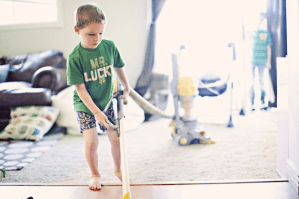
Happy New Year and no… this is not a list of resolutions for better parenting!
Having talked to quite a few parents during the Holidays who wanted their child to do what they were asked; I’m reminded of two things:
- Keep it simple
- Hold your child accountable
As you tell your child for the 5th time to pick up his/her toys, clothes, etc. you might wonder what it will take for that delightful child of yours to become more accountable.
According to Century Dictionary, accountability is the state of being accountable or answerable; responsibility for the fulfilment of obligations; liability to account for conduct, meet or suffer consequences, etc.
The thing is, we want our kids to grow into accountable adults, which means that we want accountable teens, youths, toddlers.
So how do you get started?
Start now…ideally when your child is very young and impressionable. My daughter has been “guiding” our 2½ year old grandson with picking up his toys, since he could walk. He understands what picking up toys means, how to do it and the consequences of leaving them all over the floor.
Is she 100% successful? Nope, but she and her husband have a great start provided they stay consistent with their work with him. It gets more challenging, if you are starting to with children who are older and aren’t used to having to pick up after themselves.
Not impossible, but your work is cut out for you because your child won’t understand why all of a sudden, you are asking them to do something they’ve never had to do before.
3 tips for helping your child be more accountable:
- Model behavior (that you want to see repeated)
- Be as consistent as possible in holding your child responsible for what you’ve asked them to do
- Help your child see things from another person’s viewpoint
Modeling the behavior, you want to see, is one of the skills that a leader uses. It’s much easier to get your child to pick up their toys, clean their room, clean the bathroom, if they see you do the same.
Teaching your child to see things from another’s perspective builds empathy and compassion. If occasionally you have your daughter help her brother or sister clean their room, fold clothes or clean the kitchen, they may be less inclined to fight, argue and compete with each other.
Just a couple of thoughts as we enter 2022.
Interested in learning more about your family’s dynamics? Contact me – Ms. Parent Guru to receive information about my inspiring parenting programs for Aging Parents, Mothers and Daughters, Mothers and their Sons, Fathers and Daughters or Fathers and their Sons.
Click Here to become a part of my parenting community.
C. Lynn Williams, #MsParentguru
Parent Coach, Author & Speaker
My Teen Is Old Enough…
Being a teen is overrated. They are old enough to know what to do, but they don’t have the maturity or experience to consistently make the right decisions.

Being a teen is overrated. They are old enough to know what to do, but they don’t have the maturity or experience to consistently make the right decisions.
I was the oldest child and my mom and dad taught me the difference between right and wrong. I was responsible for “setting a good example” for my brother and sister. While I didn’t want to disappoint them, my parents also had “eyes” in the community and throughout the city; other adults who would report back if they saw me in places where they didn’t think I should be. Even so, I broke the rules… like the time I rode on my boyfriend’s motorcycle. Two broken rules:
- No boyfriends (at my age)
- No riding on anyone’s motorcycle
Never mind that we could have an accident and I could be hurt or killed. That never occurred to me (as a teen) because I was fearless and willing to try things. Even if it meant breaking the rules.
Parents often believe that once their child becomes a teenager, they don’t need as much supervision. That’s not true either. You don’t have to worry that your teen will fall down the stairs, like a 2- or 3-year-old. But they could accept a ride from a stranger when they need to get someplace on time. Or they may be tricked into giving out their phone number in an online chat, because the person they’re talking to says they are 15 too, like your child.
Think about the recent rash of carjackings or smash and grab crimes that are being performed by teens. Some of the kids are 12 or 13 years old. I can hear you – “Not My Child”.
How do you know?
You work every day and you’ve taught your child right from wrong. They would never steal a car, hold a person at gunpoint/knifepoint, or snatch their purse/wallet. Right?
You say, “my child is smart, comes from a two-parent family, we are not poor.” Those crimes only occur with/by… You fill-in the rest of this sentence with your thoughts or biases.
As a parent expert who has taught and studied adolescents, teens, and 20-somethings for the past 20 years, I can tell you this:
- Teens love thrill and excitement
- They are easily influenced by their peers and the world around them
- Leaving them on their own for 3-4 hours every day (after school) without supervision is a problem
Join my Zoom Parent Masterclass on Thursday, October 21st where we will discuss teens: their wants, needs and love language. Admission is $25 until October 9th; $45 thereafter.
CLICK HERE to Register.
Interested in learning more about your family’s dynamics? Contact me – Ms. Parent Guru to receive information about my inspiring parenting coaching programs that help you through Aging Parents, Mothers and Daughters, Mothers and their Sons, Fathers and Daughters and Fathers and their Sons.
C. Lynn Williams, #MsParentguru
We Can Save Our Boys

It’s hard to advocate for equality and fairness from others, when our sons kill each other. Beefs, challenges, gang wars, whatever… it takes superhuman strength to change the heart and action of young men once the streets have become their parents.
Offer them love, support, structure and discipline while they are young. Continue it through their adolescent and teen years. Teach them to be good people, so they will grow up and be great adults
Be willing to move them out of dangerous communities and away from dangerous people. When I was growing up, an unruly young man was sent to the Army or military school.
If you are a single mom and your son’s dad is not in his life, find a good role model that will provide male support and discipline. Let’s start repeating affirmations of peace, freedom and love over ourselves and our sons. Instead of sending your son out to play, go outside and play with him. I coach parents, and one of my parents said her son has no one to play with outside, because the other kids are afraid of getting shot. That’s a sad commentary on some of our communities now. We can do better.
Our current circumstances do not define who we are, or who our sons are.
Interested in learning more about your family’s dynamics? Contact me – Ms. Parent Guru to receive information about my inspiring parenting coaching programs that help you through Aging Parents, Mothers and Daughters, Mothers and their Sons, Fathers and Daughters and Fathers and their Sons.
Click Here to become a part of my parenting community.
C. Lynn Williams @MsParentguru
Parent Coach, Author & Speaker
 Staying Sane While Raising Your Teens
Blogpost Comments