Posts filed under ‘depression’
When Suicide is the Only Answer
Today’s blog is dedicated to Karyn Washington, creator of FOR BROWN GIRLS, a beautiful 22 year old African American woman, who committed suicide because of her struggles with depression and mental illness. Ms. Washington dedicated herself to uplifting dark skinned black girls and women to give them a sense of well-being. Who was there to uplift Karyn?
Below is a reprint of her story as told by BlackMediaScope:
“Karyn Washington, founder of “For Brown Girls” and the “Dark Skin, Red Lips” project has died at the tender age of 22. And this was not a natural death. This was a suicide. Karyn, who dedicated herself to the uplifting of dark-skinned black girls and women, and worked so that they would have a sense of well-being, was struggling with depression and mental illness, and was unable to extend the love she gave to others to herself.
This is often par for the course with black women, who often shoulder so much burden (one of the only things the community will give us kudos for, the quintessential ‘struggle’) and to admit any weakness of the mind and body is to be considered defective. Vulnerability is not allowed. Tears are discouraged. Victims are incessantly blamed. We are hard on our women, and suffer as a result. When your community tells you that you’re better off praying than seeking the advice of medical professionals and medication, you feel shame when you feel your mind is breaking. There is no safe place. To admit to any mental frailty is to invite scorn and mockery, accusations of “acting white.”
Because only white people suffer from depression. Only white people commit suicide. Black women are strong. Black women are not human. And this is a LIE. Let Karyn’s story be an example that if you need help, seek help. Just make a phone call…we are too important. RIP Karyn.”
See more at:
http://www.blackmediascoop.com/for-brown-girls-founder-karyn-washington-dead-at-22/#sthash.M8Z1Rq0h.dpuf
C. Lynn Williams, #MsParentguru
Author & Parent Coach
Trying to Stay Sane While Raising Your Teen (St. Paul Press, 2010)
The Pampered Prince: Moms Create a GREAT Relationship with Your Son (St. Paul Press, 2012)
Raising Your Daughter Through the Joys, Tears & HORMONES! (220 Communications, 2013)
I Accept You Just As You Are
Have a teen or adult child with a secret? Not just any secret, their sexuality secret? Did they tell you or you just ‘knew’ that they preferred same sex mates? What did you do with that information? Did you ostracize them or tell them that you accept them for who they are?
The beautiful thing about being parents, is that we not only have the task of raising teens into wonderful adults, we also need to listen with non-judgmental ears when they tell us things about themselves – especially things that may be different from us. If your teen feels that you don’t or won’t accept them for who they are, they begin to lose trust in you and in themselves. If you won’t accept them, what’s the chance that society will accept them? Who do they go to share their “weight of the world” secrets? Many teens who feel that they can’t talk to anyone (their secret is so bad), commit suicide.
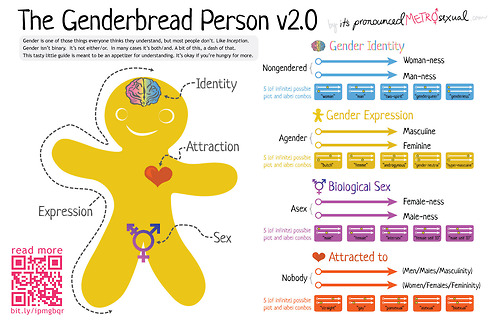
Here are some words you may share if or when you need them.
“It’s time for you to move forward with your life and stop worrying about whether you will be accepted for who you are. I’ve known (intuitively) that you had a different sexual preference since your high school / college days. It’s okay with me. Don’t worry about your father either. None of us has the right to cast stones. There is no reason to feel ashamed or have any other feelings that make you feel depressed, unworthy, needing to hide. It’s important (to me) that you live an authentic life, full of love. Be who you are and leave those other concerns behind you. You are important to me. You are safe and perfect just as you are. I love you.”
As parents, we have the responsibility for raising our children, and we also have the choice of accepting them for who they are. We may not like decisions that they ultimately make, but God doesn’t always like the decisions that we make. Accepting our kids for who they are helps them build self-acceptance and self-esteem. We also have to be okay that our friends, family and church may not agree with or accept our child’s sexuality. Thinking now about how you want to handle discussions with your family, friends or pastor, would be a great idea.
C. Lynn Williams, #MsParentguru
Author & Parent Coach
Trying to Stay Sane While Raising Your Teen (St. Paul Press, 2010)
The Pampered Prince: Moms Create a GREAT Relationship with Your Son (St. Paul Press, 2012)
Raising Your Daughter Through the Joys, Tears & HORMONES! (220 Communications, 2013)
When Suicide is NOT the Answer
I had a friend in high school who told me he was going to ‘kill himself’. I was beside myself with worry, told my parents and my dad said – “If he was going to kill himself, he wouldn’t tell you first.” Of course the guy did not kill himself, but my brother did… Parents should never have to bury their children but they certainly shouldn’t have to bury them because they’ve committed suicide. Suicide is such a desperate call for help and in my opinion indicates that there were no other options. The problem for most parents is how is it that our child, teen or post-teen adult lives and interacts with us every day and we have no idea that they are contemplating suicide? Mental disorder, such as depression, bipolar disorder, schizophrenia, alcoholism, or drug abuse is often the cause of suicide.[1] Additional stress factors such as difficult interpersonal relationships, long-term sickness or financial worries can also contribute to feelings that “life is no longer worth living”.
According to HelpGuide.org, most suicidal people give signals of their intentions. Below are some warning signs that we can look for to recognize and hopefully prevent suicides with our family, friends and students:
|
Suicide Warning Signs |
|
| Talking about suicide | Any talk about suicide, dying, or self-harm, such as “I wish I hadn’t been born,” “If I see you again…” and “I’d be better off dead.” |
| Seeking out lethal means | Seeking access to guns, pills, knives, or other objects that could be used in a suicide attempt. |
| Preoccupation with death | Unusual focus on death, dying, or violence. Writing poems or stories about death. |
| No hope for the future | Feelings of helplessness, hopelessness, and being trapped (“There’s no way out”). Belief that things will never get better or change. |
| Self-loathing, self-hatred | Feelings of worthlessness, guilt, shame, and self-hatred. Feeling like a burden (“Everyone would be better off without me”). |
| Getting affairs in order | Making out a will. Giving away prized possessions. Making arrangements for family members. |
| Saying goodbye | Unusual or unexpected visits or calls to family and friends. Saying goodbye to people as if they won’t be seen again. |
| Withdrawing from others | Withdrawing from friends and family. Increasing social isolation. Desire to be left alone. |
| Self-destructive behavior | Increased alcohol or drug use, reckless driving, unsafe sex. Taking unnecessary risks as if they have a “death wish.” |
| Sudden sense of calm | A sudden sense of calm and happiness after being extremely depressed can mean that the person has made a decision to commit suicide. [2] |
As a parent, we don’t understand it when a young person takes his/her life because of hopelessness or frustration. We often wonder where we went wrong. According to the Centers for Disease Control and Prevention (CDC), suicide is the third-leading cause of death for 15- to 24-year-olds, after accidents and homicide. It’s also thought that at least 25 attempts are made for every completed teen suicide. If you are concerned, here are some prevention tips that you may use:
- Speak to that person if you are worried
- Respond quickly in a crisis. Determine if the risk is low, moderate or high
- Offer professional help & support
Suicide Hotlines and Crisis Support
National Suicide Prevention Lifeline – Suicide prevention telephone hotline funded by the U.S. government. Provides free, 24-hour assistance. 1-800-273-TALK (8255). (National Suicide Prevention Lifeline)
National Hopeline Network – Toll-free telephone number offering 24-hour suicide crisis support. 1-800-SUICIDE (784-2433). (National Hopeline Network)
—
C. Lynn Williams, #MsParentguru
Author & Parenting Coach
Trying to Stay Sane While Raising Your Teen (St. Paul Press, 2010)
The Pampered Prince: Moms Create a GREAT Relationship with Your Son (St. Paul Press, 2012)
Raising Your Daughter Through the Joys, Tears & HORMONES! Available in September, 2013 (220 Communications)
Teen Girls will be GIRLS..


In the last two weeks, I have already read about or been involved with two teen girls who have gotten caught up sexually and been “slut shamed”. One girl was so embarrassed that she didn’t eat for three days and is transferring from the high school where she attends. The other girl committed suicide. Clearly the latter decision, a fatal one is terrible, however teen sex culture is rampant and telling your daughter not to have sex before marriage is not enough. By the way, the term slut shame is how teens respond when they learn that a classmate has been raped. Crazy huh? In the world of adults, it’s called blaming the victim. http://tinyurl.com/bw3d8hr
I believe we (parents, guardians, teachers, and counselors) must use every opportunity as teachable moments to talk to the young ladies in our midst. Watch the reality shows and music videos with our teen girls and talk about the impressions that these types of media are making. Shows like Real Housewives of Atlanta, OC, NJ, etc., portray a negative side of women (and men). The widely watched music videos portray women scantily dressed or waiting by the phone for a guy. Life may be like that, but is that the kind of adult scene you want your teen daughters exposed to?
I often change subjects on my community college students and talk about Life. When we talk about life, any topic is fair game. You would be amazed at their thoughts and ideas! I recently asked them what they considered sex, and at the answers that I got were pretty weird! It’s common to want attention from your peers. Many girls want that attention by wearing revealing clothing, make-up or hair. Often parents are not home when their daughters leave for school, and are unaware of what they are wearing to school. Not only do we need to know what they are wearing to school, we need to know how they are “carrying” themselves as well. If your daughter thinks that giving sexual treats in the boys’ bathroom between classes is okay – IT IS NOT OKAY! Having a picture taken of her during this type of exploit and sending it to everyone in the senior class (sexting) is also not okay, nor is it a way to gain popularity.
In this highly sexualized culture, we know how very important it is for our young girls to be popular. What we have to do is help our girls learn more acceptable ways to become popular. Appearing sexually enticing will only lead to sexting, loss of reputation, unwanted sexual assaults or ‘too early’ sex, depression.. Just my thoughts.
C. Lynn Williams,
Author and Parenting Coach
#MsParentGuru
Trying to Stay Sane While Raising Your Teen (St. Paul Press, 2010)
The Pampered Prince: Moms Create a GREAT Relationship with Your Son (St. Paul Press, 2012)
How to Turn Your Princess Into a Queen – The Art of Raising an Awesome Daughter (available in late spring, 2013)
Managing Your Teen’s Mental Health (Issues)
Have you ever been in your own world, and someone makes a statement that completely changes your perspective, or as my mother used to say “disturbs the calm peace of your soul”? It happened to me today. I was sitting in church waiting for the sermon to begin, slightly distracted (with all of the things I wanted to accomplish later), and the pastor started talking about mental illness and the shame often associated with it. I kind of dismissed the topic because it didn’t seem relevant to me or my family members, but the more he talked, the more the sermon topic affected me.
When I talk to people about mental illness, I think of schizophrenia and manic depression (bipolar disorder). Those are probably the most widely known mental illnesses. Mild chronic depression (dysthymic disorder), affects about 3.3 million American adults over the age of 18, per year: http://depression.emedtv.com/depression/depression-statistics-p2.html One in five children experience mild depression before adulthood. Ten to fifteen percent of children and adolescents have some symptoms of depression. Those symptoms include restlessness, irritability, thoughts of death or suicide. Excluding the thoughts of death and suicide, restlessness and irritability are common moods experienced by teens, and not easily noticed by parents and caregivers.
My pastor’s topic centered around the fact that people close to us, like our family members can be affected by mental illness and often we are ashamed of those family members. There’s nothing to be ashamed about. When you have diabetes or high blood pressure, you modify your diet and take medication to get better. For most mental illnesses, you can take medication, see a therapist or mental health professional and lessen or improve one’s symptoms. But because of the stigma attached to mental health, many people do not get the help they need before it’s too late.
As parents, how do we recognize the signs of mental illness in our teens and help them handle their everyday pressures and decisions? According to Dr. Arthur Schoenstadt, there is no one cause of depression. Factors like a family history of depression or substance abuse, certain medical conditions, gender, stressful life events, or personality types increase a teen’s chance of developing depression. Most often, once identified and acknowledged, depression is treatable with psychotherapy and antidepressants.
In my own family, there is a history of brilliance and mental illness. My uncle Donald, whom I never had the good fortune of meeting, was a brilliant scholar who committed suicide in his early twenties. Nobody (in the family) ever talked about him or really understood what he was facing that would cause him to take his life. My brother suffered with Crohns’ disease for about five years before deciding to end his life. As I write this article, my heart goes out to parents who never recognized the signs of mental illness in their deceased teen, whether it was depression, bipolar, eating, conduct disorders, or schizophrenia. Your teen is not just having a series of bad days, and once the season changes, will feel better. They may need meds to feel better.
Here are some symptoms to watch for:
– Very angry much of time, cries a lot, or overreacts to things;
– Worthless or guilty a lot;
– Anxious or worried a lot more than other young people;
– Grief for a long time after a loss or death;
– Extremely fearful-has unexplained fears or more fears than most kids;
– Constantly concerned about physical problems or appearance;
– Frightened that his or her mind is controlled or is out of control.
http://www.cumminsbhs.com/teens.htm
If you suspect that your child or teen is experiencing any of these issues, contact your child’s school psychologist or talk to a mental health professional.
C. Lynn Williams,
Author and Parenting Coach
#MsParentguru
Trying to Stay Sane While Raising Your Teen (St. Paul Press, 2010)
The Pampered Prince: Moms Create a GREAT Relationship with Your Son (St. Paul Press, 2012)
Recognizing Adolescent Depression
Parents: Are you able to recognize the signs of depression in your teen?
Here are some signs:
1. Physical manifestations of clinical depression are: headaches, muscle aches, low energy, sudden change in appetite or weight, insomnia or hypersomnia
2. Your teen may also seem restless, irritable, anxious, or belligerent
3. Your teen may have feelings of sadness, hopelessness, despair, worthlessness, or lack of interest in usual activities
4. Your teen is skipping classes or not paying attention in class
To find out more, check out this site: https://www.about-teen-depression.com/depression-statistics.html
If you think something is wrong, it usually is.
MsParentguru
 Staying Sane While Raising Your Teens
Blogpost Comments